Top Roofing Materials: Which Is Perfect for Your Home?
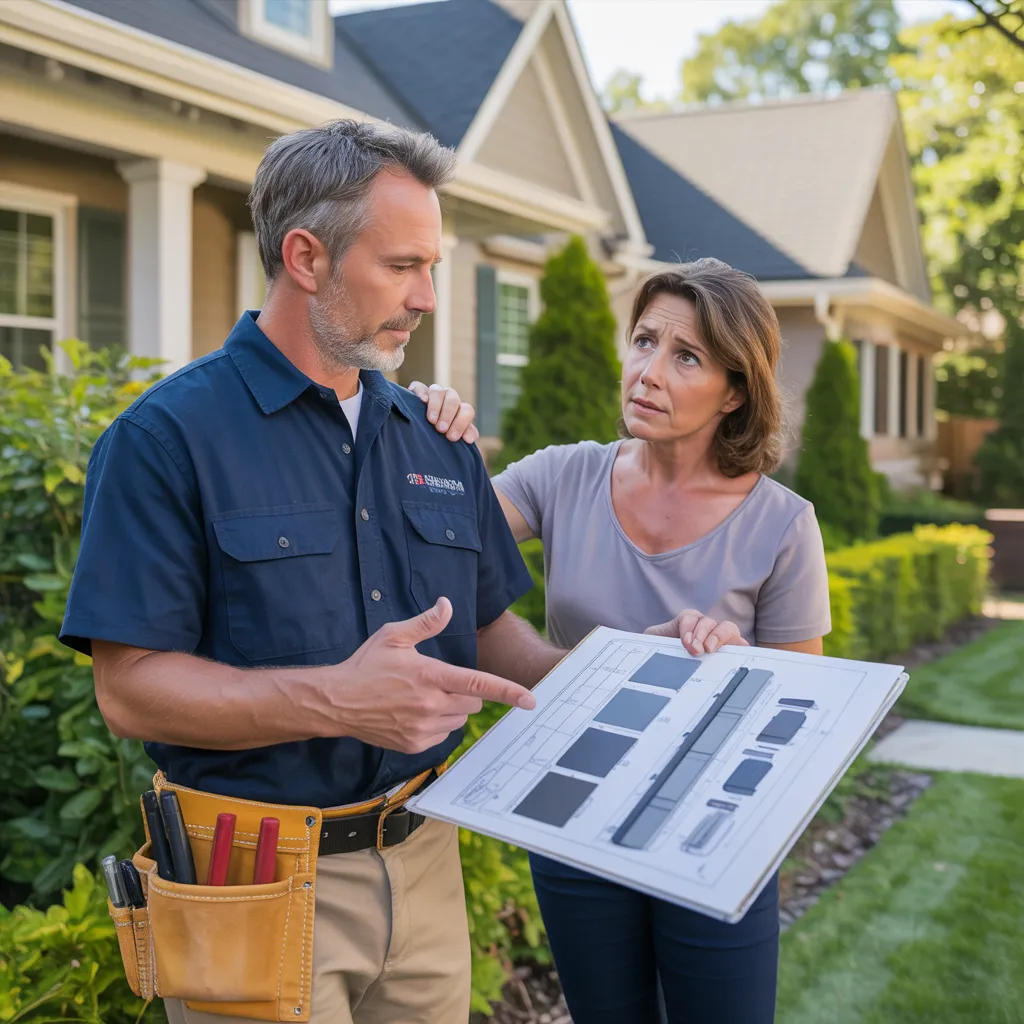
Choosing the appropriate roofing material represents a crucial choice for homeowners. Several options are available, each offering distinct pros and drawbacks. The decision frequently is based on factors including durability, affordability, and appearance. Grasping these components can substantially affect long-term pleasure and upkeep. Yet what are the most favored materials, and how do they stack up against one another? Investigating these questions can result in a more knowledgeable decision.
The Pros of Common Roofing Materials
In considering roofing materials, homeowners frequently discover that each option offers unique advantages. Asphalt shingles, for instance, are popular due to their affordability and ease of installation, making them an ideal choice for budget-conscious homeowners. Metal roofing, conversely, offers durability and energy efficiency, bouncing back sunlight and lowering cooling costs. Tile roofs, recognized for their aesthetic appeal, provide excellent longevity and endure severe weather conditions, although they require a higher initial investment. Wood shakes contribute a rustic charm but necessitate more maintenance to avoid rot and insect damage. Finally, slate roofs are renowned for their beauty and durability, often lasting over a century, yet they come with a significant price tag. Each material's specific benefits address different homeowner preferences, ensuring that there is a suitable option for a variety of needs and budgets in roofing projects.
How to Assess Roofing Longevity and Service Life?
To evaluate roofing durability and lifespan, one must carefully assess several factors that influence long-term performance. A primary consideration is the material itself; options like asphalt shingles, metal, and slate each offer specific advantages and weaknesses. Moreover, the local climate is an important factor, because intense weather conditions can diminish a roof’s lifespan.
Another aspect to assess is installation quality. Expert installation work can significantly improve longevity, while poor workmanship may result in early deterioration. Regular maintenance also affects longevity; roofs that receive regular inspections and maintenance are more likely to endure longer.
Also, protections provided by companies present understanding into expected durability. A extended warranty often demonstrates greater confidence in the material's longevity. Finally, grasping the evolution of the substance applied—such as its performance in parallel environments—can support in determining an informed judgment about roofing resilience and lifespan.
Budget-conscious Roof Price Comparisons
Budget-conscious roofing selections can span considerably in expense, making it necessary for homeowners to perform detailed reviews. Asophalt shingles often represent one of the most economical options, averaging between $90 and $100 per square. Metal Roofing Contractor roofing, despite being initially more high-priced at $120 to $900 per square, can yield long-term savings through durability and energy efficiency. In contrast, rubber roofing is increasing in popularity, costing around $100 to $200 per square, and is ideal for flat roofs. Tile roofing, despite its visual appeal, can prove costly, ranging from $300 to $800 per square. Homeowners should likewise consider installation costs, which can significantly influence the overall budget. Comprehending the longevity of each material, paired with potential maintenance expenses, can further inform financial deliberations. By comparing these considerations, homeowners can identify a roofing solution that pairs affordability with excellence.
Selecting a Roof Design That Enhances Your Residence's Design
Picking the ideal roof style is necessary for elevating a home's overall aesthetic quality. Fitting with the architectural style, along with coordination in color and material, plays a critical role in achieving a harmonious look. Homeowners should assess these factors to confirm their roofing choice coordinates with the existing design.
Building Style Compatibility
When considering a roofing choice, homeowners should review how effectively it works with their home's design style. Numerous design styles, including Colonial, Victorian, or Modern, possess distinctive qualities that can either support or clash against multiple roofing choices. As an example, a highly pitched roof might suit a traditional Victorian home, whereas a low-profile roof may enhance a modern aesthetic. Furthermore, roof designs and materials must showcase the general aesthetic of your home, ensuring aesthetic harmony. Homeowners should also consider examining local influences and historical context, since these elements can determine matching styles. In the end, an ideal roof can boost curb appeal and copyright the strength of your home's design story.
Hue and Material Synchronization
What is the best way to guarantee that a roof’s shade and material blend with the overall design of a home? The answer lies in comprehending the architectural style and existing color palette. A harmonious look is achieved when roofing materials, such as shakes or tiles, accent the home’s exterior features. For example, classic homes often benefit from natural hues and natural materials, while contemporary designs may embrace bold colors and sleek finishes. Homeowners should also consider the surrounding environment; colors that blend with nature can amplify aesthetic appeal. Additionally, using contrasting shades deliberately can highlight architectural elements without dominating the overall design. Ultimately, mindful selection foretells that the roof becomes a vital part of the home's visual identity.
Sustainable Roofing Materials: Eco-Friendly Options
As the demand for eco-conscious construction practices grows, eco-friendly roof options have emerged as a practical alternative for homeowners and builders alike. These materials not only reduce environmental impact but also enhance energy efficiency and longevity. Choices such as metal, bamboo, and recycled shingles are becoming increasingly popular due to their durability and minimal environmental impact.
Metal roofs, often built from recycled content, decrease heat, minimizing cooling expenses in warmer climates. Bamboo, a rapidly regenerating material, presents a light alternative that can be both appealing and sustainable. Recycled shingles, produced from repurposed materials, reduce disposal and deliver reliable protection.
In addition, green roofs, which incorporate vegetation, improve insulation and increase species diversity. The adoption of these eco-friendly choices not only promotes ecological wellbeing but also contributes to potential energy savings and increased property value, establishing them as an attractive option for the environmentally conscious homeowner.
How to Choose the Most Suitable Roofing Material for Your Needs
Determining the most suitable roof choice demands various important criteria. First off, one must consider local climate factors to ensure durability and performance. In addition, budget constraints and aesthetic preferences play significant roles in choosing wisely.
Review Environmental Implications
When assessing climate considerations for roofing materials, it's important to understand that different environments exert distinct requirements on a roof's performance and longevity. In areas with heavy snowfall, roofing systems must be constructed to withstand the load and prevent frozen buildup. In contrast, regions susceptible to high temperatures require products that reflect sunlight and resist thermal accumulation. Coastal regions encounter difficulties from ocean salt and strong winds, requiring long-lasting, rust-proof solutions. Additionally, homes in areas with frequent storms should prioritize durable weather-resistant roofing options. Comprehending regional climate conditions, such as precipitation, temperature changes, and wind velocity, is vital for selecting the best roof covering. This customized strategy not just improves durability but also contributes to overall energy efficiency and homeowner satisfaction.
Assess Financial Limitations
Budget limitations play an important role in selecting the most suitable roofing material for a project. Homeowners must first establish a clear budget, considering both initial expenses and long-term costs, such as maintenance and energy efficiency. Different materials vary considerably in price; for instance, asphalt shingles are generally more affordable than metal or slate options. It is vital to factor in installation costs, as some materials require specialized labor, which can increase overall expenses. Additionally, homeowners should consider the lifespan of the material, as a higher upfront cost may be justified by durability and reduced future repairs. By carefully evaluating these financial aspects, individuals can make informed choices that align with their budgetary limitations while ensuring quality and functionality.
Reflect on Design Tastes
The aesthetic appeal considerably influences the choice of roofing materials, since it directly affects the overall character of a home. Homeowners commonly consider how various materials complement architectural styles, whether classic or contemporary. For example, slate and tile can improve the elegance of a classic design, while metal roofing may offer a refined, modern appearance. Color choices also play a critical role; lighter shades can make a home appear larger, and darker hues can add warmth and depth. Additionally, texture and finish contribute to the visual character of a roof. Ultimately, choosing roofing materials that align with personal preferences and neighborhood aesthetics ensures the home remains visually appealing and harmonious within its surroundings.
Often Raised Questions
What Effect Do Weather Conditions Have on Roofing Material Performance?
Roofing material performance is greatly affected by weather conditions, influencing longevity, insulation, and structural strength. Extreme temperatures, precipitation, and UV exposure can cause degradation, compromising structural soundness and requiring timely maintenance or replacement to guarantee superior protection.
Which Roof Options Work Optimally in Extreme Climates?
In severe climates, metal roofing gives durability and safeguard to high winds, while slate ensures excellent insulation against temperature fluctuations. Additionally, modified bitumen is perfect for harsh conditions, ensuring dependable protection and longevity in challenging environments.
Can I place fresh roof materials over current shingle layers?
Yes, you can add fresh roofing over existing shingles, provided the existing roof is in proper condition. This technique can cut down on time and labor expenses, but regional building codes and weight specifications must be considered.
What regularity Should I assess My Roof for signs of damage?
Property owners should inspect their roofs at least two times annually, ideally in spring and fall, and following harsh weather conditions. Regular inspections help detect potential deterioration early, preventing expensive repairs and guaranteeing long-term roof integrity.
What Guarantees Are Typically Found for Roofing Materials?
Roofing materials typically feature coverage plans spanning 20 to 50 years, addressing workmanship and defects. Some manufacturers present prorated warranties, while others provide full protection options for specific periods, guaranteeing protection against premature failure.
Concluding Points
In summary, selecting the optimal roofing material demands thoughtful consideration of diverse factors, such as aesthetics, durability, budget, and sustainability. By understanding the benefits of each material and weighing their long-term implications, homeowners can take sound decisions that increase their home's value and appeal. Ultimately, the right option will not only protect the home but also align with the homeowner's vision and environmental goals, establishing a roof that stands the test of time.